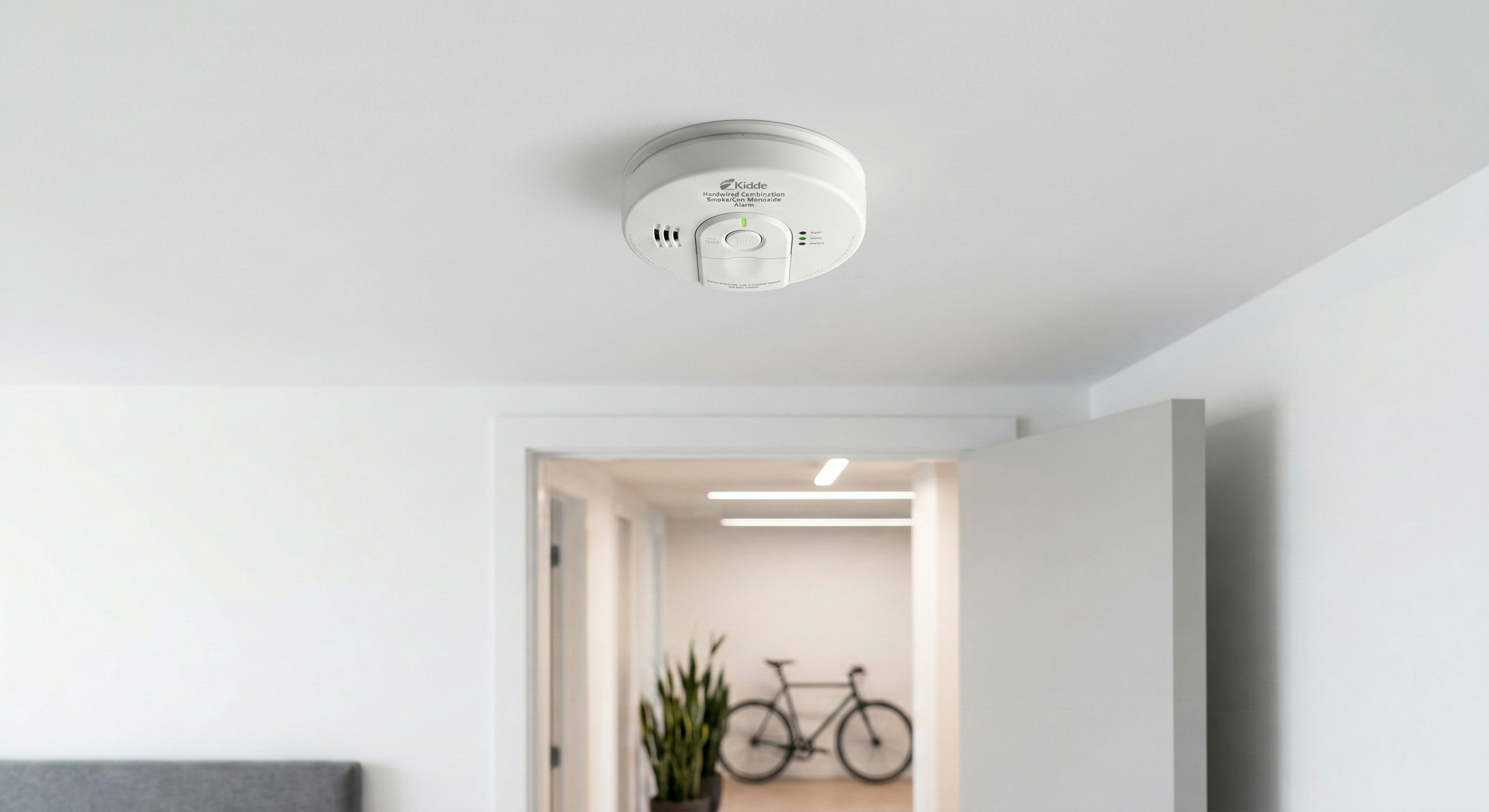
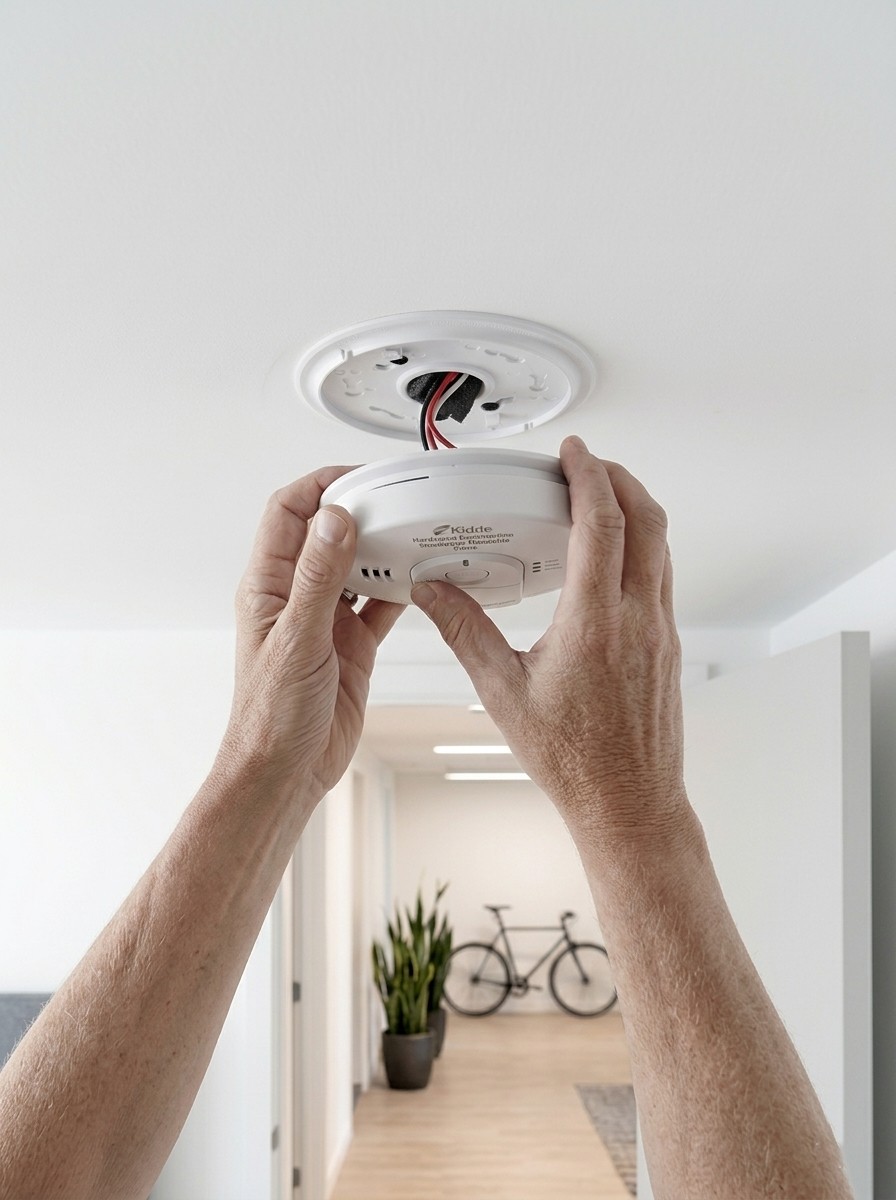
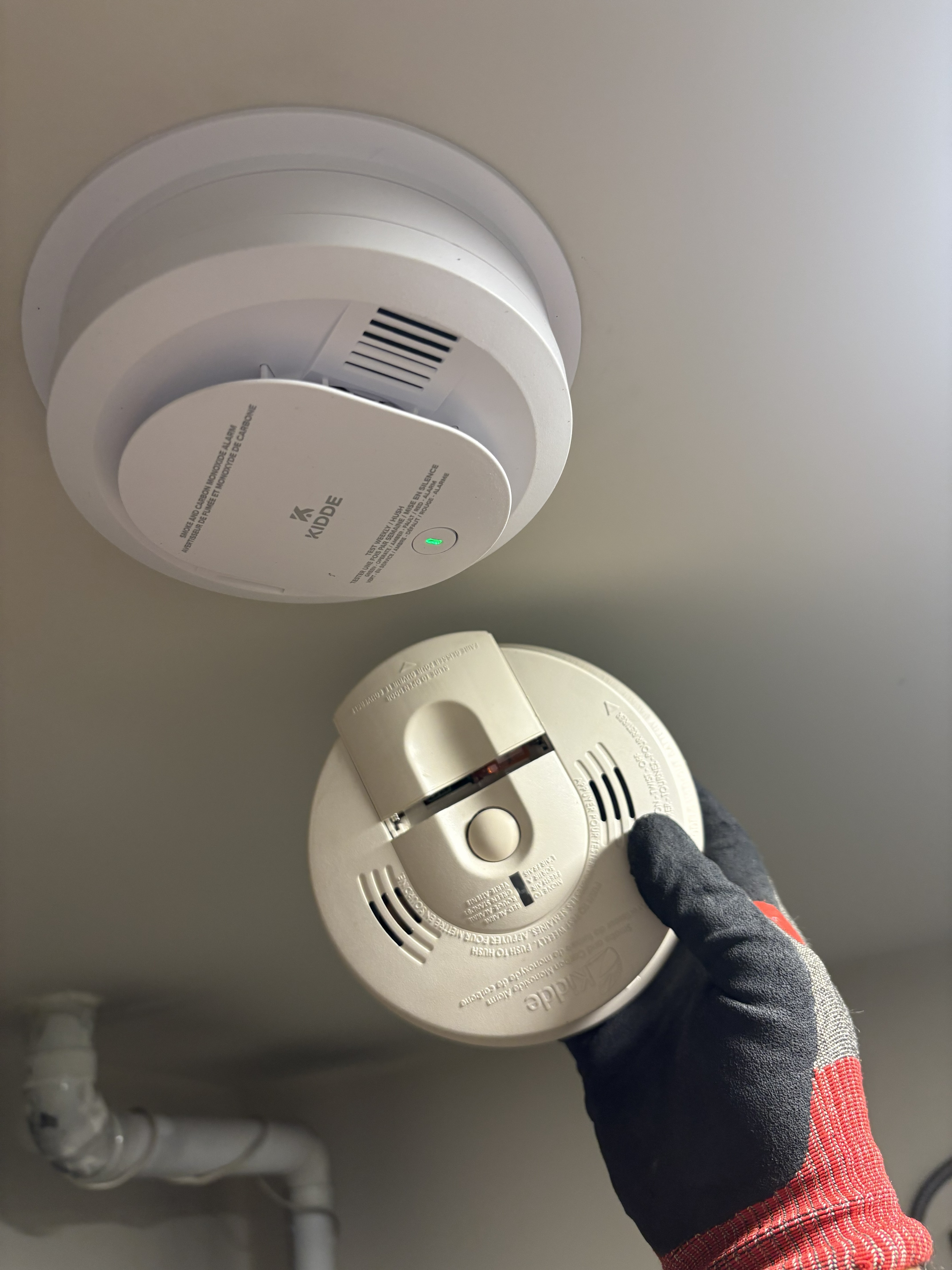
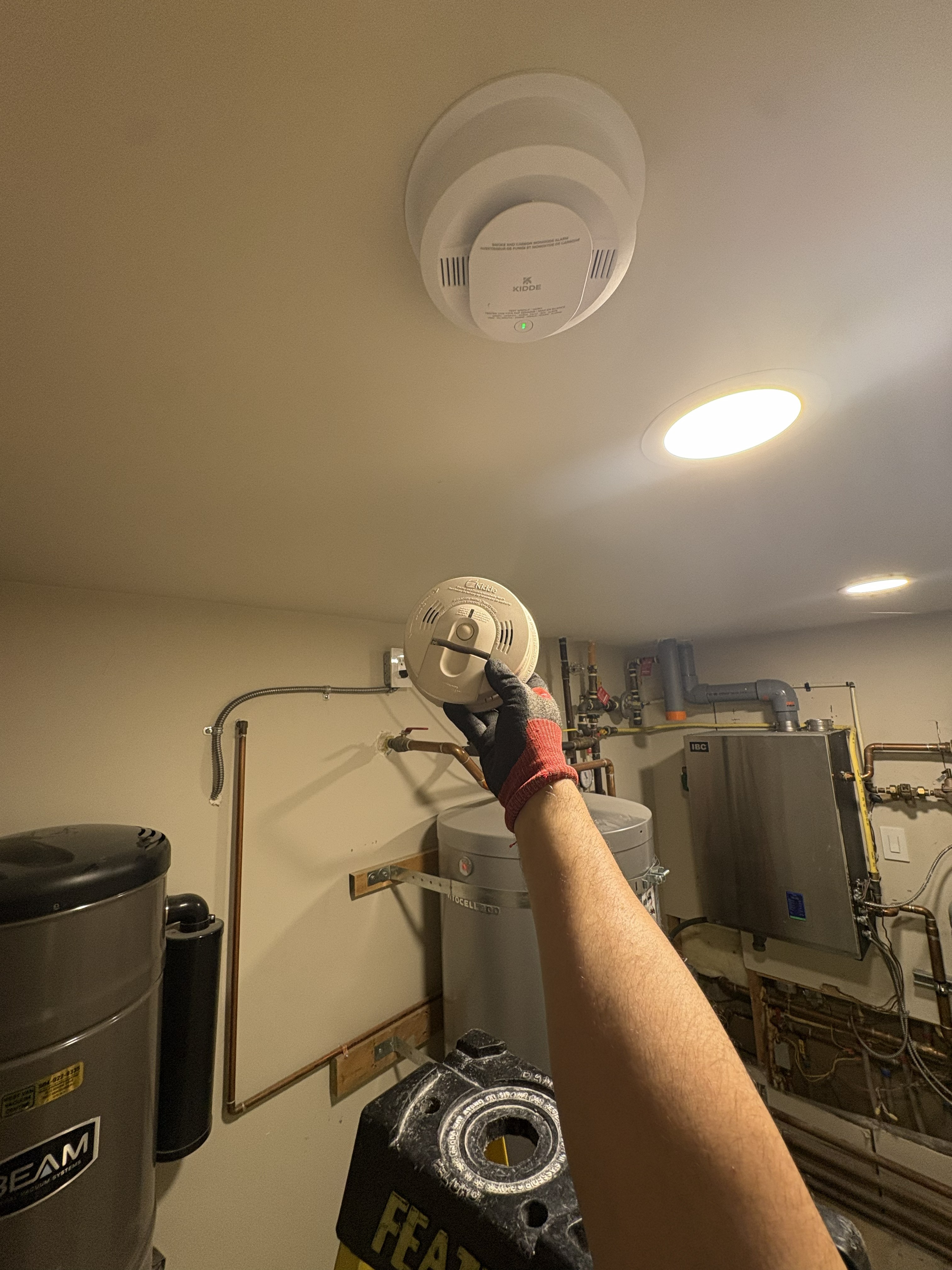
Hardwired, interconnected, and BC code-compliant. Whether you're replacing expired detectors, setting up a secondary suite, or meeting Airbnb requirements — we handle the wiring, permit, and inspection.
Your smoke detector keeps beeping with no smoke or CO present.
You're adding or legalizing a secondary suite — BC Building Code requires hardwired, interconnected, photoelectric smoke alarms throughout the entire home.
You're applying for a short-term rental licence (Airbnb) — interconnected smoke alarms on every floor and inside every bedroom are required.
You're doing a renovation or new construction — hardwired, interconnected alarms with battery backup are required by BC Building Code.
These details help us assess the scope and provide an accurate quote:
Submit online → or by email / text — whatever works for you.
Once we receive your details:
We typically reply within 24 hours.
Once the quote is approved:
The right type depends on your home's current setup and what BC code requires for your situation.
BC Building Code and BC Fire Code set out clear requirements by home type. Not sure which applies to you? We assess and advise.
It depends on the scope. Replacing an existing hardwired detector in the same location typically does not require a permit in most municipalities. New hardwired wiring — running new circuits, adding detectors to new locations, or installing an interconnected system — requires an electrical permit and inspection. We advise you upfront on what's needed for your specific project.
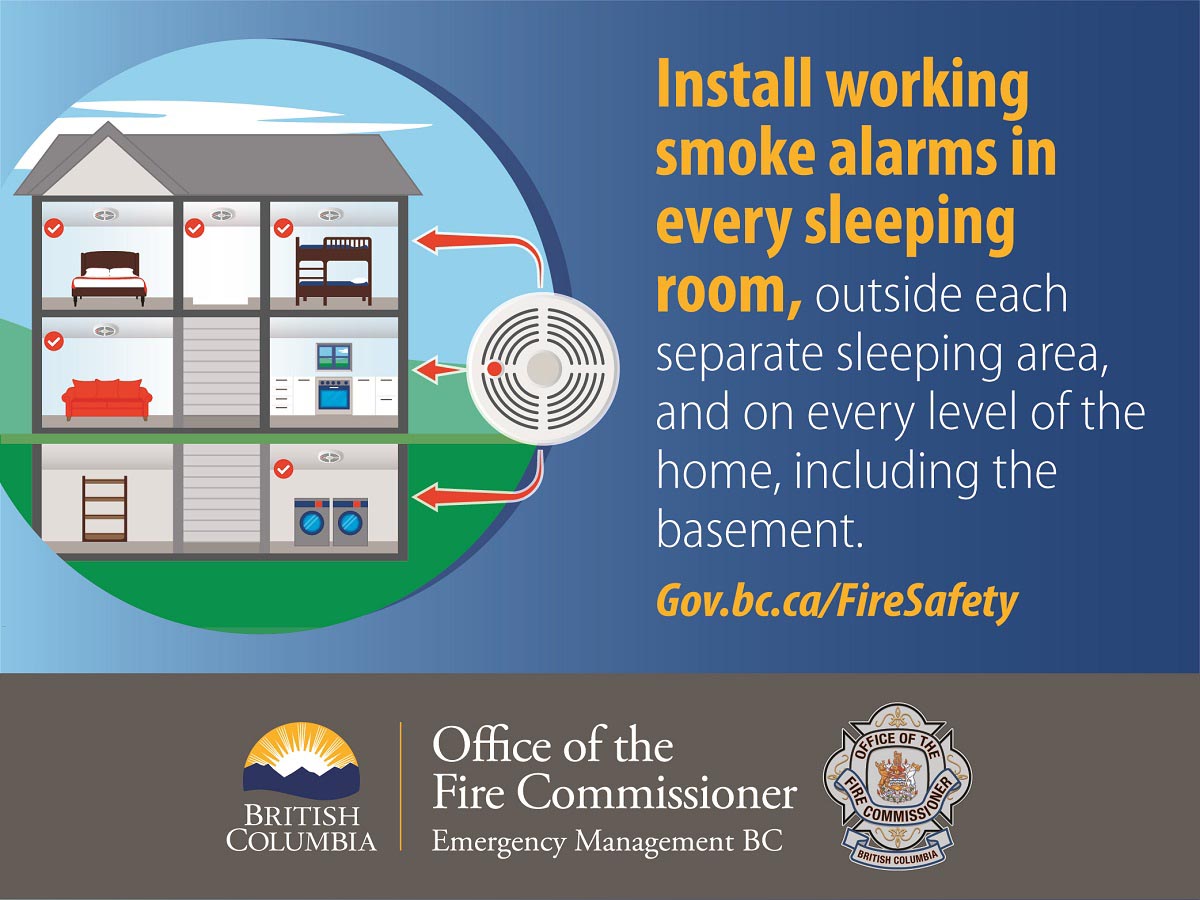
At minimum, BC Fire Code requires one smoke alarm on every floor (including basement), and one outside each sleeping area. For new construction and renovations, an additional alarm is required inside every bedroom. For secondary suites, all alarms throughout the entire home must be interconnected.
We assess your home and provide a placement plan that meets code requirements.
If the chirping continues after replacing the battery, the detector has most likely reached its end of life. Smoke alarms must be replaced every 10 years from the manufacture date; CO alarms typically every 7–10 years — check the label on the back of the unit, not when it was installed. When end of life is reached, replace the entire unit — a new battery won't reset the sensor's lifespan.
Yes, if your home has any fuel-burning appliances — gas furnace, gas fireplace, gas water heater, wood stove, or attached garage. Carbon monoxide is colourless and odourless, making a CO alarm the only reliable early warning. For secondary suites, CO alarms must also be hardwired and interconnected if fuel-burning appliances are present.
In an interconnected system, all smoke alarms are wired together so that when one detects smoke, every alarm in the home sounds simultaneously. This is critical in larger homes or secondary suites — if a fire starts in the basement while someone is sleeping on the top floor, the alarm on that floor will sound immediately.
BC Building Code requires interconnected alarms for secondary suites and new construction. We strongly recommend them for all multi-floor homes.
Ready to get started? Contact us today for a free estimate. We serve homeowners and businesses across Greater Vancouver.
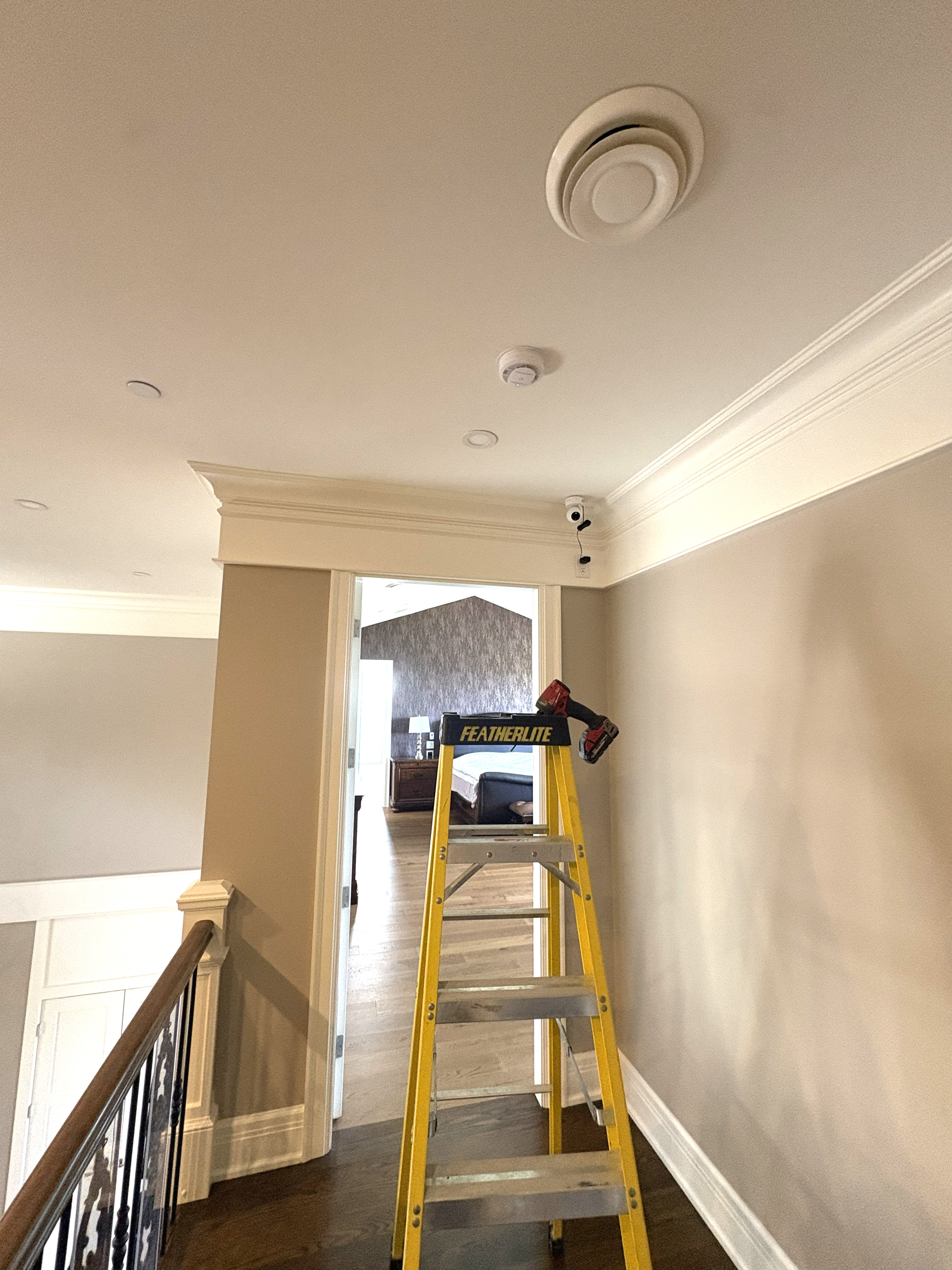
For a faster quote, add a few photos below — we'll reply with a free quote, usually within 24 hours.